1868 TO 1878
Born on a typewriter
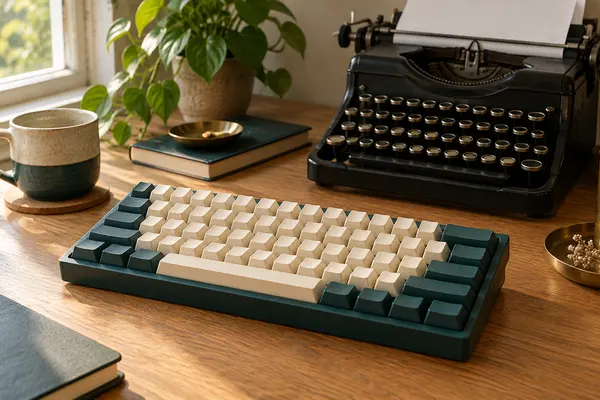
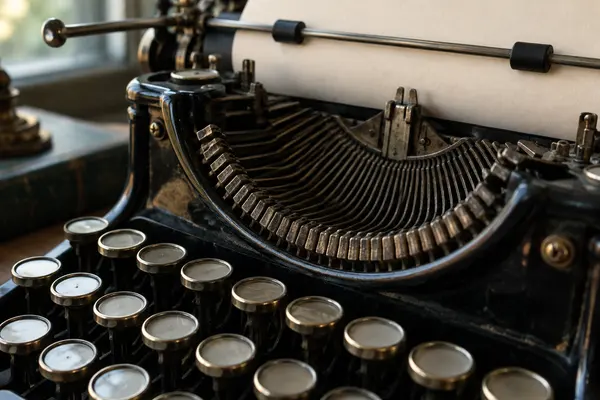
Christopher Latham Sholes and colleagues patented a typewriter in 1868. Remington began selling it in 1874, keys already in QWERTY order.
See the timeline
 doodlekeyboard
THE STORY BEHIND THE KEYS
QWERTY since 1874
Your keyboard's letter order is older than the light bulb.
It was settled on a typewriter sold from 1874, and historians still argue about why. Here is where the layout came from, what we know about how fast people really type, and the sources to check it all.
Plain English, with the sources linked.
Updated
Check your typing speedTHE SHORT ANSWER
The layout was fixed in the 1870s
and simply never went away.
1868 TO 1878
Christopher Latham Sholes and colleagues patented a typewriter in 1868. Remington began selling it in 1874, keys already in QWERTY order.
See the timelineMYTH OR HISTORY?
The classic tale says QWERTY kept typebars from jamming. Kyoto researchers pointed to telegraph operators instead.
Both sides168,000 TYPISTS
A 2018 study of online typing tests found an average of 52 words per minute, with the fastest near 120.
Check your speedA QUICK SPEED CHECK
Pick the speed closest to yours. The comparisons come from a 2018 study by Aalto University and the University of Cambridge, which analysed 136 million keystrokes from 168,000 volunteers.
Not sure of your speed? Any free online typing test gives a words-per-minute figure. A word is usually counted as five characters.
TWO THINGS WORTH KNOWING
One open question about the past,
one clear finding about today.
Jams or Morse?
Why the letters sit where they do
The familiar explanation is that common letter pairs were split up to stop typebars jamming. In 2011, Kyoto University researchers concluded that the mechanics did not shape the design, and that telegraph operators transcribing Morse code influenced the order.
THE LAYOUT · 1870s
40–70%
Keystrokes typed with "rollover"
The fastest typists pressed the next key before releasing the previous one on 40 to 70 per cent of keystrokes, whether or not they touch typed. Slower typists made more errors and took longer to fix them.
THE TYPISTS · 2018
The layout question may never be settled. What the typing data shows is clearer: speed has more to do with how keys flow together than with how many fingers you use.
TYPE BETTER
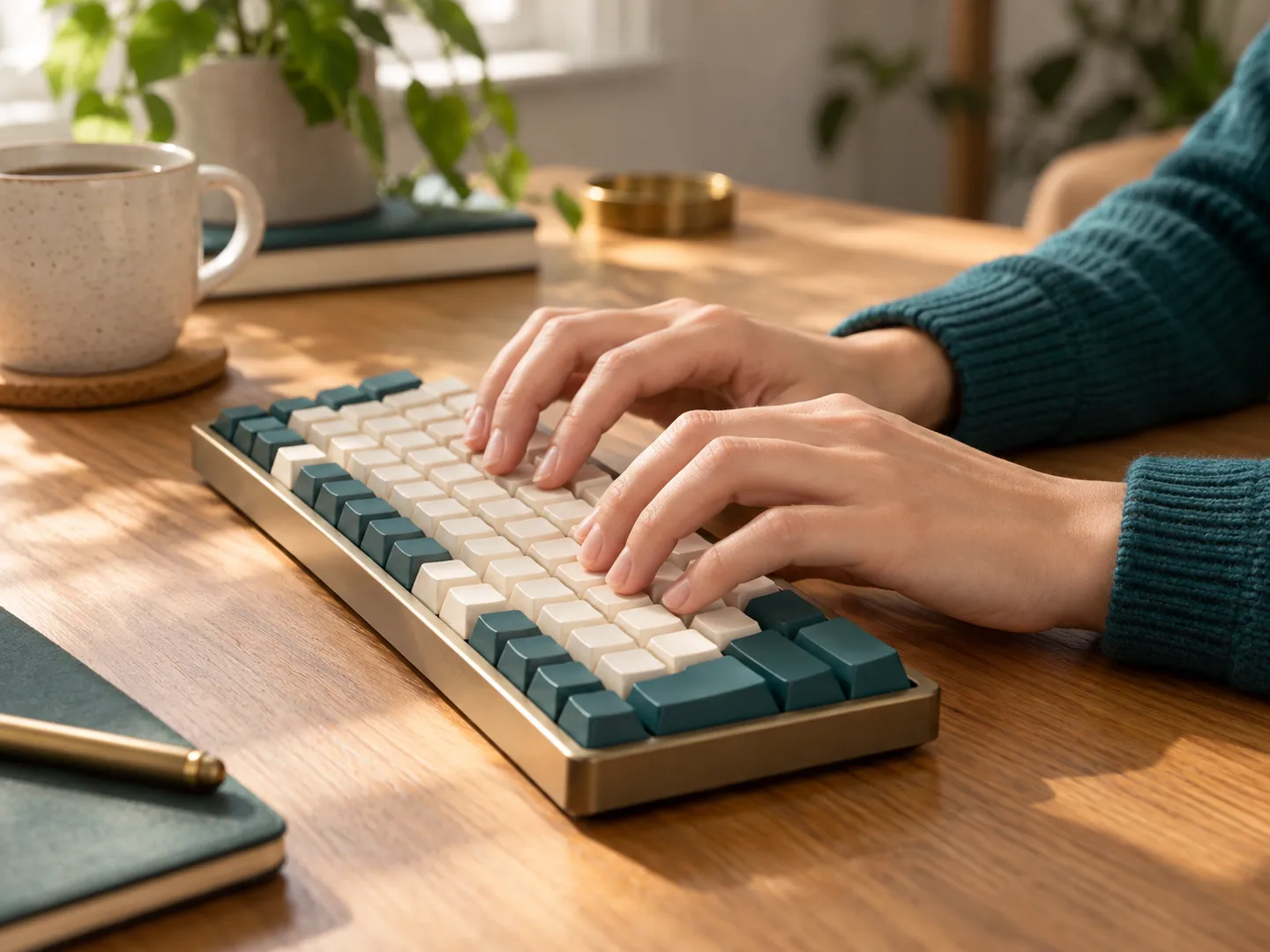
Take a short online typing test once and note the figure. The study's average was 52 words per minute, so you can see where you stand.
Self-taught typists using fewer than ten fingers were as fast as touch typists in the study. Consistent finger use matters more than the textbook method.
Fast typists often press the next key before letting go of the last. Practise common words as one movement rather than letter by letter.
In the data, faster typists made fewer mistakes, while slower ones spent longer correcting. Fewer backspaces is often the quickest gain.
KEYBOARD FACTS
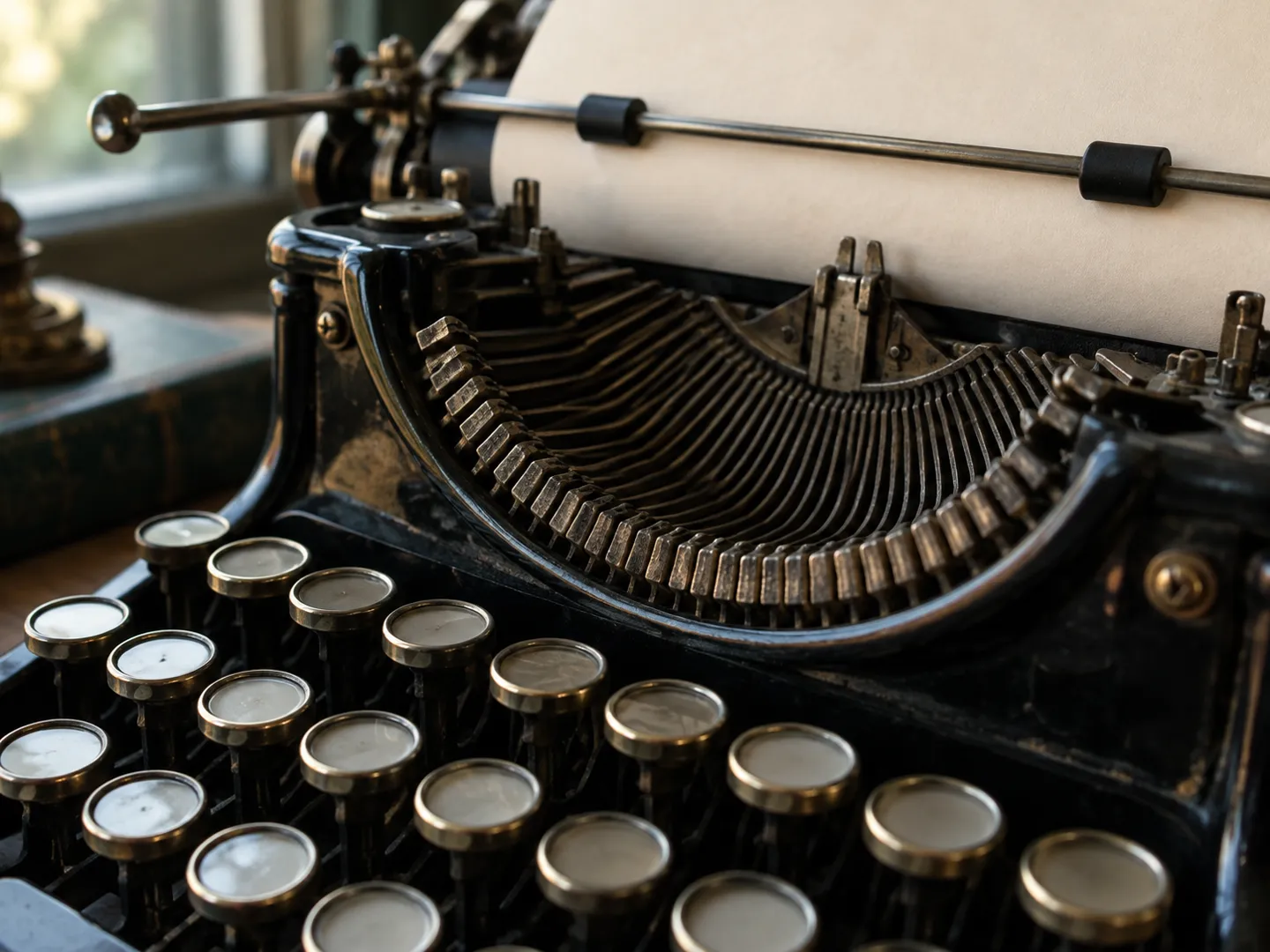
The early Sholes typewriter, patented in 1868, had a piano-like keyboard with about two dozen keys in alphabetical order. The layout changed over years of trial models.
Remington began selling the Sholes and Glidden typewriter in 1874 for $125, which Smithsonian magazine puts at more than $3,000 in today's money.
The first model printed upper case only, and struck the paper from underneath, so the typist had to lift the hinged carriage to check the work.
A new model in 1878 added a shift key, letting typists use both capital and lower-case letters on the same keys.
Remington claimed that more than 100,000 of its QWERTY typewriters were in use across the United States by 1891, which helped lock the layout in.
QUICK QUESTIONS
Short answers to the questions people ask most.
The layout comes from the Sholes and Glidden typewriter, which Remington began selling in 1874. Its keyboard started out alphabetical and was rearranged over several years of trial models. Exactly why the final order was chosen is still debated.
That is the popular story: the layout split up common letter pairs so the metal typebars would not jam. Researchers at Kyoto University argued in 2011 that the typewriter mechanics did not shape the design, and that telegraph operators transcribing Morse code influenced the order instead.
In a 2018 study of 168,000 volunteers who took an online typing test, the average was 52 words per minute. Most people typed between 30 and 60, and the fastest reached about 120.
Not necessarily. The same study found that self-taught typists using fewer than ten fingers can be as fast as touch typists. People who had taken a typing course behaved much like those who had not.
No. The Sholes and Glidden machine, made from 1874 to 1878, printed upper case only. A later model in 1878 added a shift key so typists could use both capitals and lower-case letters.
Sources
A NAME WORTH TYPING
doodlekeyboard.com is part of the DoodleSale portfolio. It isn't in an auction right now, but you can ask about leasing it.